When San Francisco’s nationally recognized Conflict Intervention Service needed additional capacity during the post-pandemic housing crisis, the Bar Association of San Francisco turned to Mosaic. The experience would ultimately help shape the ideas behind HousingShield and Mosaic’s approach to early dispute resolution.
Opportunity Called; A Pragmatist Answered
If you’ve heard of John Dewey and his writings on education, or the many experiential learning programs throughout the world he inspired, then innovation as a product of real world engagement and problem solving likely feels intuitive.
The best innovations aren’t ideas thought up in a vacuum that then become solutions in search of a problem; they are the opposite.
They emerge from the lived frustrations of gaps and inadequacies, repeatedly observed and analyzed, producing deep insight into deeper solutions rather than willful ignorance or bandaid remedies.
Thinkers like Dewey shape much of the philosophical roots for founder Alec Chapa, having been exposed to these ideas during formative years in Oregon as a preceptee of Philosofarian, and later as an undergrad and McNair Scholar at Portland State University.
So when the opportunity for experiential learning came knocking in 2023, applying multidisciplinary conflict resolution to housing challenges, Chapa was quick to explore the opportunity. Roger Moss, then director of Alternative Dispute Resolution at the Bar Association of San Francisco, offered a contract to Mosaic consultants Alec Chapa and Sadie Cort to support its nationally recognized Conflict Intervention Service (CIS).
With a signed agreement, a seed was planted. What came out was Mosaic’s flagship program, HousingShield.
That year was undoubtedly one of the most influential experiences in Mosaic’s history.
Not simply because it was the firm’s largest contract to date.
But because it fundamentally shaped how Mosaic thinks about housing stability, early intervention, and the future of dispute resolution.

A Program Ahead of Its Time
Long before early dispute resolution became a national recommendation through the American Bar Association’s Resolution 500, San Francisco was already putting many of those ideas into practice.
Since 2015, the Conflict Intervention Service had been helping residents resolve housing disputes before they became lawsuits or evictions, connecting people with neutral professionals through an accessible conflict helpline, supported by the city and county.
The program combined mediation with ombuds principles, conflict coaching, behavioral health awareness, systems thinking, and interdisciplinary collaboration.
It also extended beyond residential housing.
The same team helped facilitate commercial redevelopment projects by supporting negotiations between business owners, property stakeholders, and public agencies, contributing to San Francisco’s post-pandemic recovery efforts.
Looking back today, it’s clear CIS wasn’t simply resolving downstream post-filing disputes.
It was designing a better system. One that’s far more upstream, collaborative, and impactful.

Supporting More Than 850 Housing Conflicts
Mosaic joined the program during a period of tremendous demand.
As eviction protections were winding down following COVID-19, requests for assistance continued surging while the organization simultaneously prepared for leadership transitions, technology upgrades, and future expansion.
Rather than serving only as outside consultants, Alec and Sadie became fully integrated into daily operations by managing the conflict helpline (the program lynchpin). With increased bandwidth, staff could focus on program development.
Together, Alec and Sadie responded to more than 850 housing-related cases, helping residents understand their options while creating space for productive conversations before disputes escalated.
The program mirrored organizational ombuds functions: compassionately receiving callers and de-escalating tensions from first contact; clarifying parties, stakes, issues and goals; navigating party and community resources available for solution-building; illuminating decision points while anticipating impacts and risks to support best outcomes; educating parties on legal and non-legal conflict resolution modalities available.
Beyond direct services, Mosaic also helped strengthen the organization itself.
The engagement included:
- Transitioning to a modern SaaS case management platform (ODR)
- Formalizing new operational workflows
- Training new staff members (conflict helpline, new case manager system)
- Supporting grant-funded expansion
- Increasing long-term organizational capacity
By the conclusion of the engagement, CIS had expanded staffing, improved workflows, and strengthened its ability to serve the community. Thanks to Mosaic’s support, the program matured enough to hire Conflict Navigators, having outgrown the need for contractor support.
Learning From One of the Nation’s Best
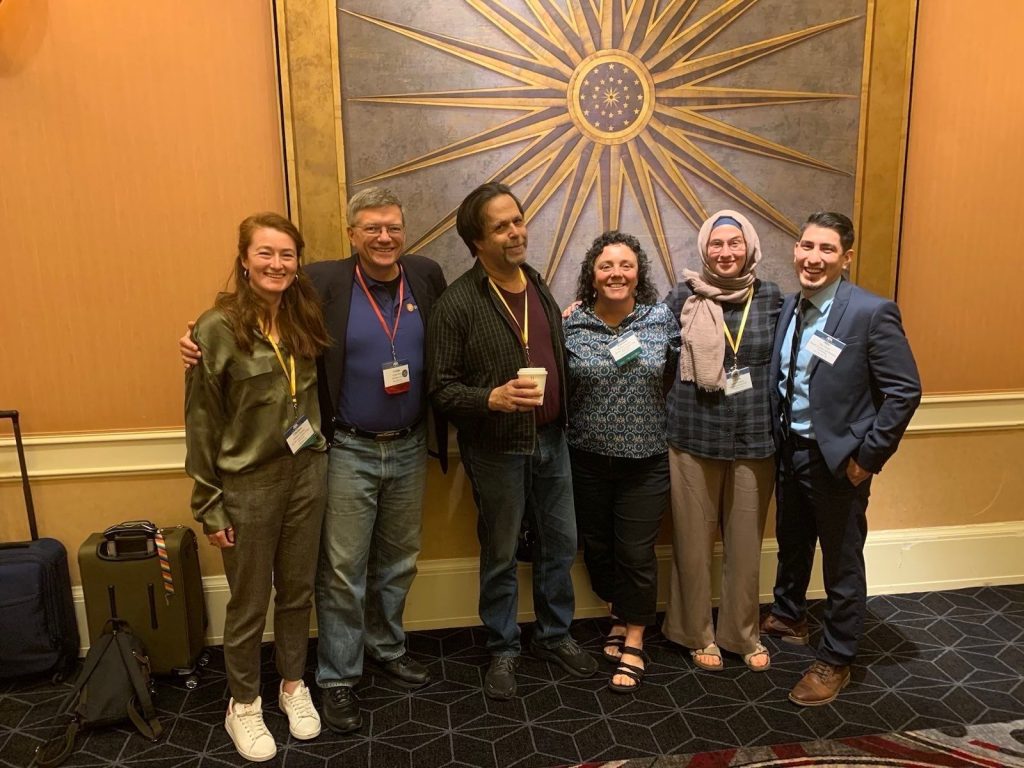
For Alec, the experience offered something even more valuable than another successful consulting engagement: a front-row seat to one of America’s most innovative housing dispute resolution systems.
Working in the program Roger Moss built, and the interdisciplinary team CIS consisted of, exposed Mosaic to ideas that extended well beyond traditional mediation. Just a few of these include:
- Conflict coaching (to support unilateral neutral intervention)
- “Rapid response” intervention (critical for effectiveness in housing issues)
- Advocating for fair process & systems improvement (aligned with organizational ombuds)
- Behavioral health (integrating mental health professionals and social workers)
- Technology-enabled service delivery (without falling prey to the digital divide)
- Commercial and residential dispute resolution made readily available
- Interdisciplinary practice (moving collaborative law beyond divorce)
The engagement reinforced two simple but powerful observations:
People need help far before trials, lawsuit filings, and attorney retainers. And when services are proactive and collaborative, as stewarded by a professional neutral, the impacts are outsized.
These principles would eventually become foundational ideas behind HousingShield.

From Grant Funding to Sustainable Innovation
The CIS model demonstrated another important lesson.
Because the program was publicly funded through city and county grants, residents could receive immediate support without payment becoming a roadblock during a crisis — the worst possible moment to make funding a barrier, especially for people already financially struggling.
It’s not that a crisis couldn’t be diverted in these situations, but that the perfect moment for conflict intervention is also often the worst moment for payment.
Seeing the impact unlocked by open access was powerful; so was thinking through the backwards logic of the opposite.
Still, for all the benefits unlocked by public funding, Chapa also noticed an ongoing challenge: funding insecurity.
Even when the program’s value was clear and critical, prioritized by the city, the program was not immune from funding shocks. Grant funding changes. Political priorities shift. Budgets fluctuate.
Programs can experience tremendous uncertainty despite delivering exceptional outcomes.
Those observations inspired an important question inside Mosaic:
How could early dispute resolution become financially sustainable regardless of political cycles, and even without the support of institutional funders?
HousingShield emerged with an answer: stakeholders themselves. If they fund it, no one can take it from them.
Shifting away from grants and tax dollars, HousingShield prioritized insulation from volatility and uncertainty. Putting stakeholders themselves at the center, the “minimum viable product” of HousingShield is created and sustained by those who stand to gain or lose the most. By showing downstream losses, providers and residents recognize shared gain with upstream action, made possible with shared funding commitment. And the funding model still solves the timing problem of service vs funding availability mismatch.
As for institutional support? They can certainly pose opportunities for program enhancement and access expansion; but refusing dependence means creating a more resilient funding structure that preserves the benefits of early intervention, minus the vulnerabilities that many similar programs “live and die” by.
In many ways, HousingShield represents an evolution of lessons learned through CIS, not a replacement. With strong institutional champions in San Francisco supporting CIS, the program is well protected; but beyond San Francisco, in places that may not enjoy such favorable circumstances, HousingShield poses an answer to the challenge.
Recognition From National Leaders
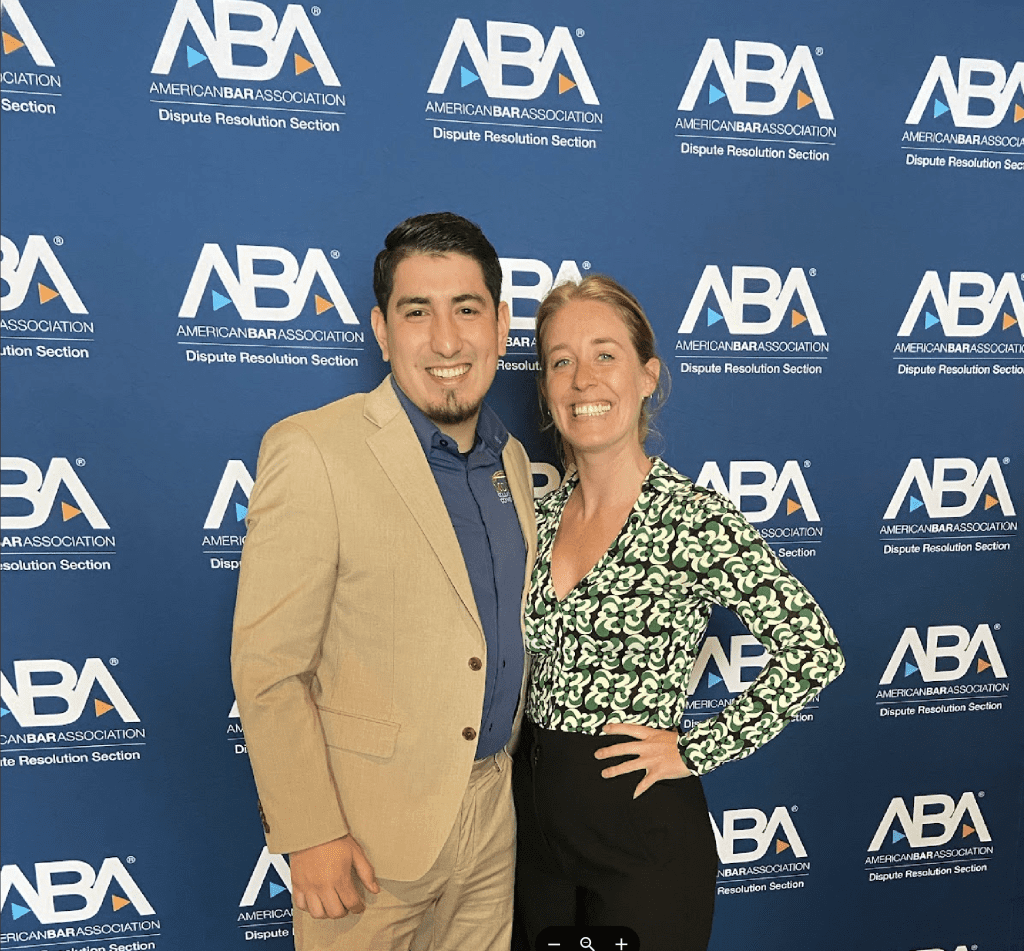
The experience also strengthened lasting professional relationships, who were glad to share about how Mosaic supported CIS and the people of San Francisco.
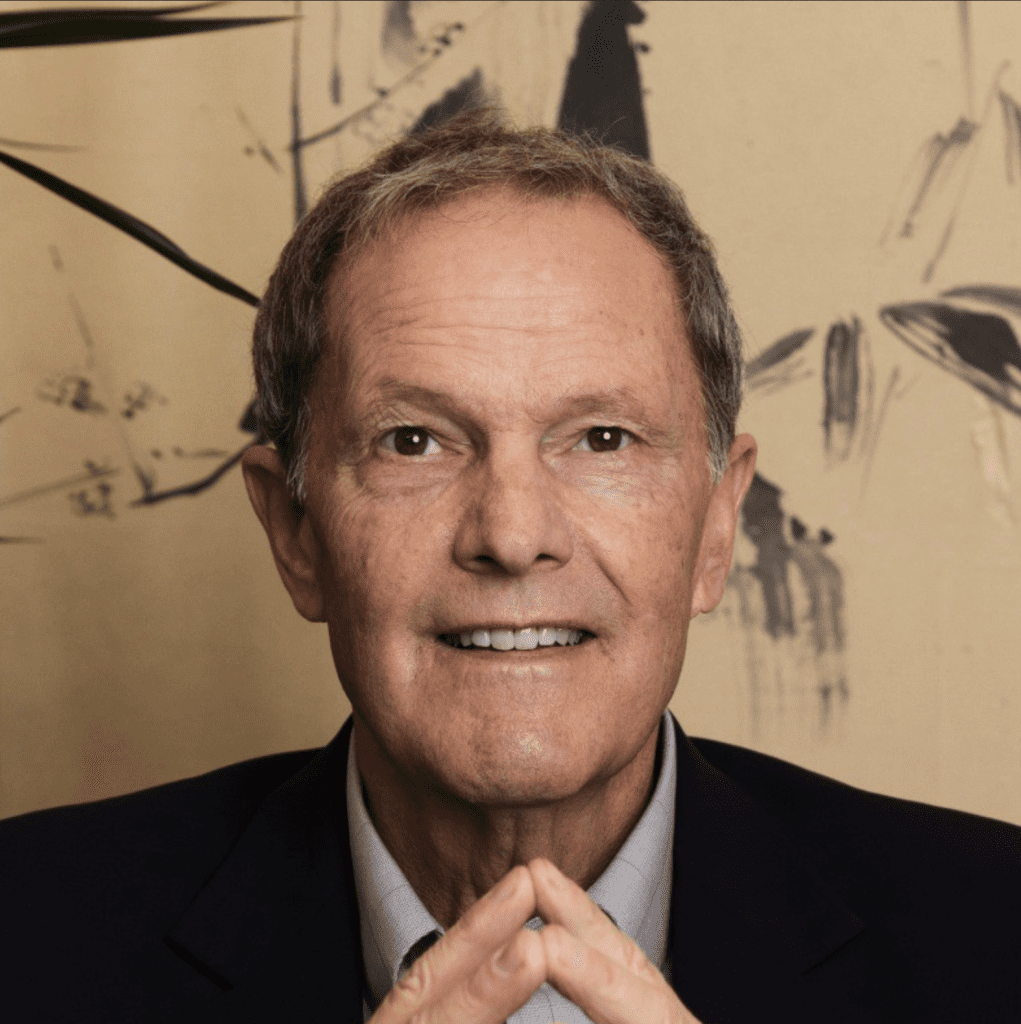
“Mosaic represents the future of 21st century Access to Justice, which will be compassion-centered, collaborative, interdisciplinary, and online.”
Roger Moss, Esq, former Director of Alternative Dispute Resolution

“Alec swiftly discerns the landscape of any particular conflict situation and navigates it efficiently.”
Scott Goering, Esq, former Senior Mediation Counsel; Owner at Law & Mediation Offices of Scott Goering
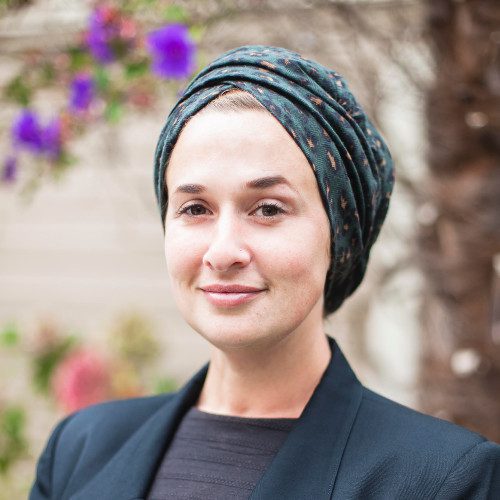
“Sadie was great with callers, very present, listening and validating their experience.”
Laura Bengal, Esq, Director of Alternative Dispute Resolution
For Mosaic, those comments represent more than positive feedback.
They reflect the trust of veteran legal and dispute resolution professionals, earned while supporting one of the country’s leading housing conflict resolution programs.

Looking Forward
Housing disputes continue to grow across the United States.
Communities are searching for ways to reduce evictions, stabilize neighborhoods, improve access to justice, and preserve housing without relying exclusively on litigation—like Arizona’s governor announcing $13.5M for eviction prevention.
Years before these conversations became widespread, the CIS demonstrated that another path was possible, stabilizing more than 5000 homes and businesses in the process.
Mosaic was fortunate to help advance that work. Alec is equally grateful for everything he learned. Sadie remains on-call for the CIS helpline, providing ongoing relief for staff on weekends.
Many of the principles that now guide HousingShield can be traced back to those experiences in San Francisco, where innovation, collaboration, and early intervention proved that conflict doesn’t have to end in court. And that integrating support services from other professions can be the key to resolving otherwise intractable issues seemingly destined for trial.
In countless cases, the right conversation at the right time with the right support reveals another way. A better way everyone agrees on.
Download the Case Study
Want to see how one of the nation’s most innovative housing conflict resolution programs operated in practice?
Download the Conflict Intervention Service Case Study to learn how Mosaic helped support more than 850 housing disputes, improve operational capacity, modernize workflows, and contribute to one of the country’s leading early dispute resolution programs.
Ready to see where HousingShield will take the field next? See How HousingShield Moves the Needle.
