How philosophy, dialogue, and a commitment to public service led Alec Chapa from building Mosaic Collaborative Consulting to joining the U.S. DOJ’s CRS focused on community conflict resolution.
My Roots: From Philosophy to Community Conflict Resolution
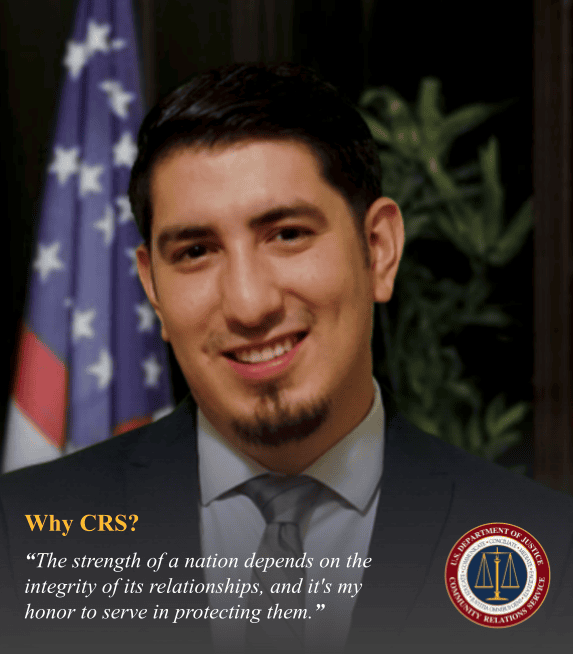
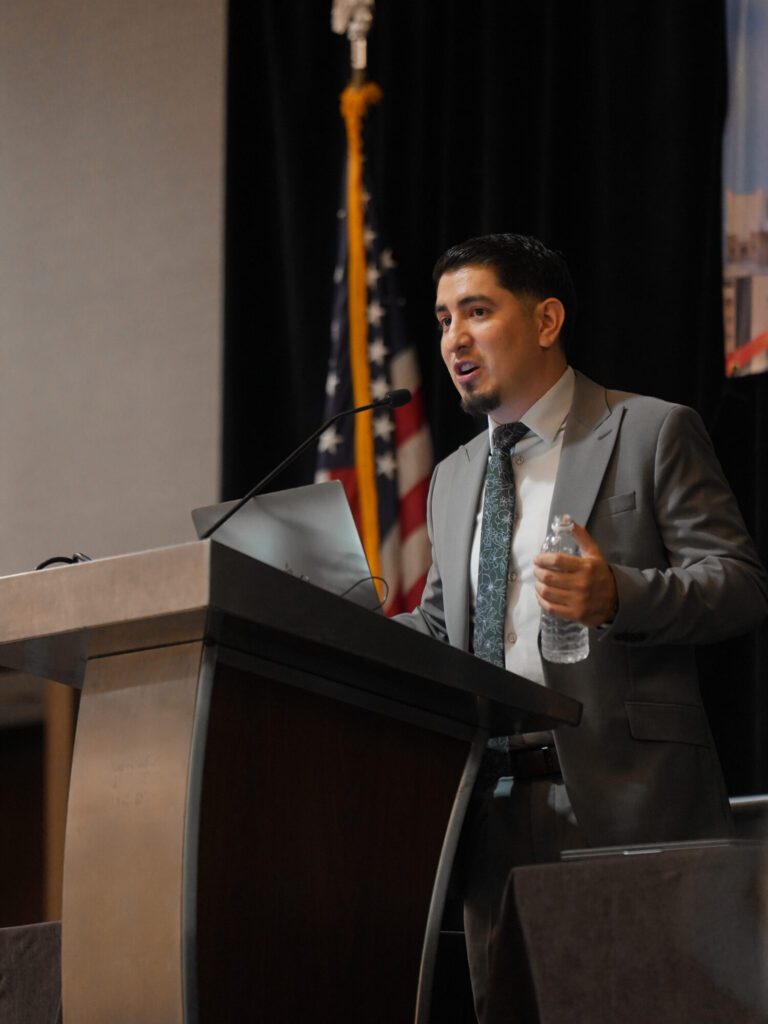
Some journeys begin with a job. Mine began with a commitment to pursuing the very best education I could. Over a decade of personal and professional development went into earning a position as a Conciliation Specialist with the U.S. Department of Justice Community Relations Service (CRS). I started in October 2024.
But in the years leading up to my commitment to conflict resolution, I built a foundation of inquiry-based learning, dialogue, and seeking understanding.
Since the beginning, it centered around philosophy. In high school, I started a philosophy club that met on Fridays after school. “Lee Campus Philosophy Club.”
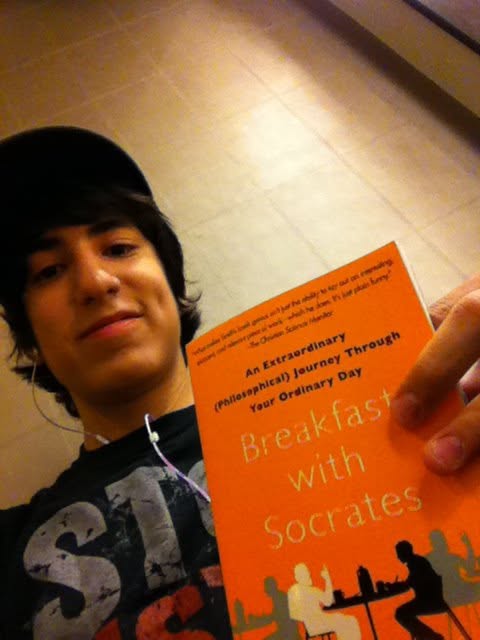
That led me to conflict resolution.
Rather than shedding skin, these were layers that added to my character and conviction. Together, the two filled me with the determination to build Mosaic Collaborative Consulting from the ground up. This became the professional bedrock that enabled my start at the DOJ.
For many people, this looked like a career milestone.
For me, it represented easily a decade-long commitment coming full circle, with traces even deeper still.

Before There Was Mosaic
Long before I ever mediated a dispute, facilitated a meeting, or consulted with an organization, I was captivated by philosophy. I was tremendously fortunate to have an educator for a mother, and my love of wonder was encouraged.
Philosophy for me wasn’t simply an academic discipline with dates, names, and summary bullet points; it was a way of engaging with the world. Fully committed, I moved across the country from San Antonio, Texas to Astoria, Oregon to study with Philosofarian to immerse myself in that way of engaging with the world.
Truth was a compelling notion, and I have a natural affinity for exploring ideas. And while I could have easily continued on a path to professorship, I couldn’t help but respond to the pressing matters demanding my attention: the social and political turmoil of 2015 and 2016 was impossible to miss.
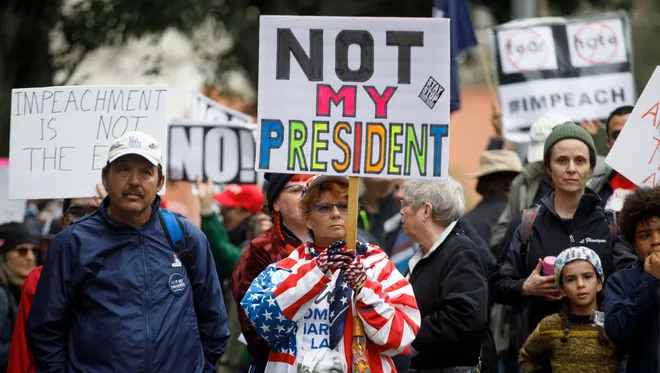
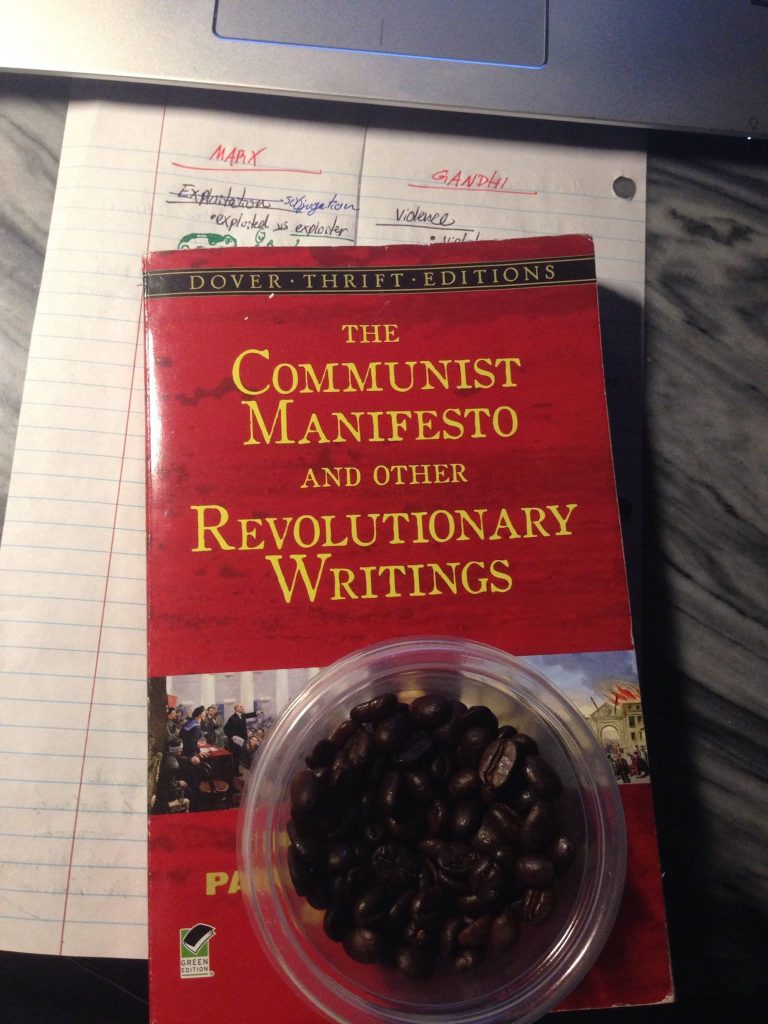
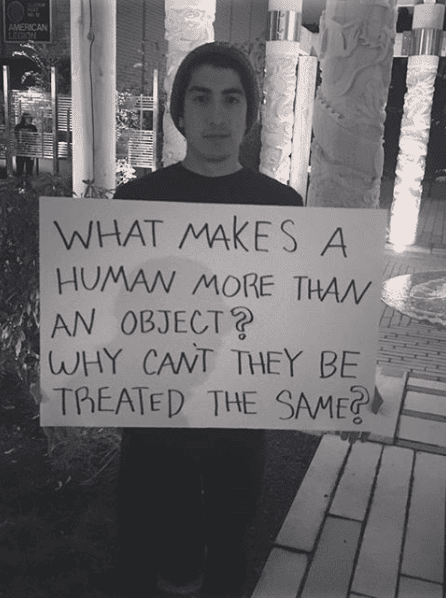
Around the same time, I took a course on political philosophy. The exposure to many outlooks, combined with rigorous analysis and discussion among peers, helped round out my thinking.
But there was one thinker I strongly opposed: Karl Marx.
Violence, on its surface, was unacceptable. But underneath the obvious destruction was something even more nefarious: the cycle of violence, which paradoxically attempts to use violence to end violence, and ironically only begets more violence.
I had already been a fan of Martin Luther King. But I didn’t realize how deeply King’s sentiments already permeated my thinking. Intuitively I recognized exactly what King did: “Darkness cannot drive out darkness. Only light can do that.”
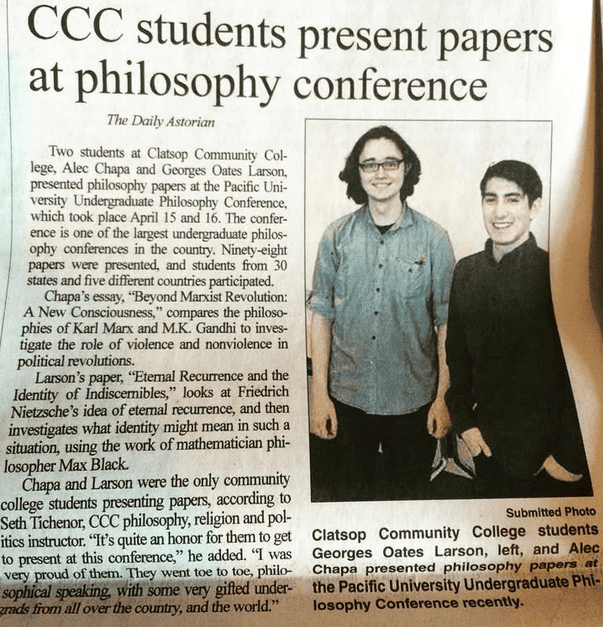
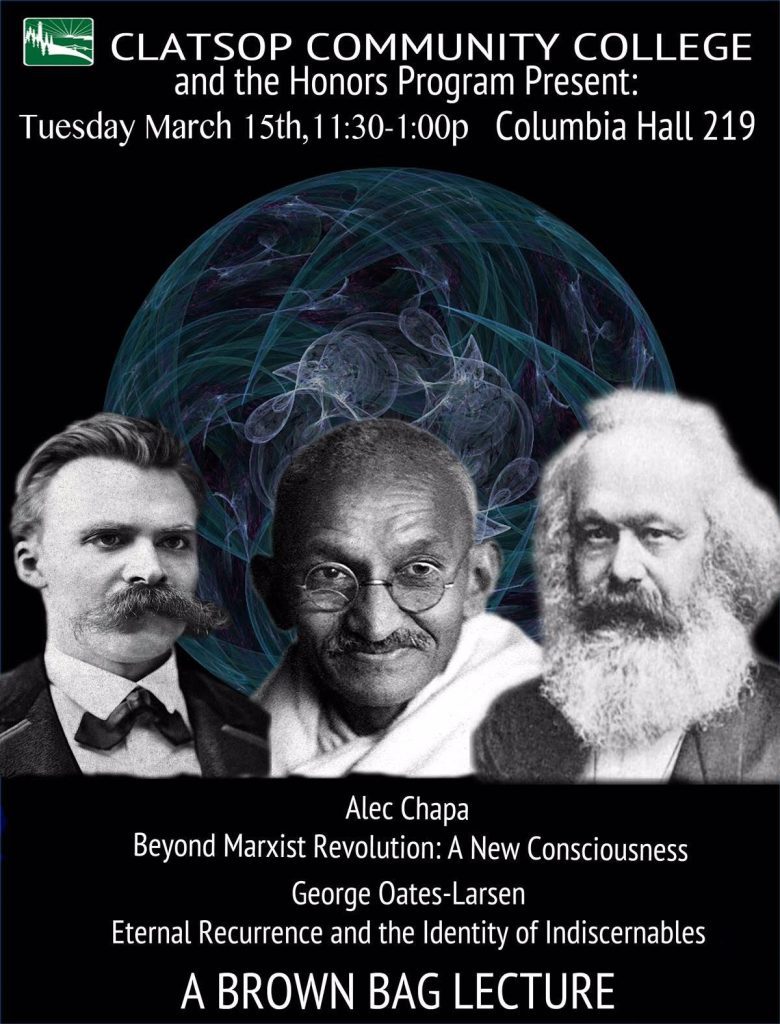
It’s no surprise that Gandhi, King’s philosophical predecessor, became a lightning rod in my thinking. A year after that philosophy class in the spring of 2016, I wrote and defended an original philosophical essay arguing against Marxist’ ideas about revolutionary violance, in favor of Gandhi’s nonviolent resistance, in the nation’s largest undergraduate philosophy conference.
“Satyagraha,” roughly translated as “the path of truth,” is the fundamental recognition of human interdependence, the realization that the only sensible way to treat others is with dignity (since we are in fact one and the same and a violation of others is a violation of self). And by extension, the means for asserting that truth is through civil disobedience (as an active disruption of violence that does not itself become violence).
Not passive, it demands assertion; not violent, it requires nonviolence; it is the way the truth of human interdependence and dignity is both demonstrated by one’s own actions as well as protected for others.
And truth be told, it was not merely my love of philosophy nor the social turmoil alone that fueled me. As I watched social relationships strained everywhere I looked, and defended the proven power of nonviolence for social justice, I also had a deeply personal realization. Individual well-being is deeply tied to family, culture, and community—at least for me and many others I know.
The two common denominators? Relationships and conflict resolution.
With what felt like more than luck, I found a bridge while searching for my next steps after finishing my two-year degree: a course on Gandhi’s nonviolence at Portland State University, within their Conflict Resolution program.
I took a gap year to decide my next steps. I read publications by the faculty, met with the professors to discuss their backgrounds and courses, and discussed the program with my mentors. It didn’t take me long to know I wanted to give it my all.
Turning Philosophy Into Practice
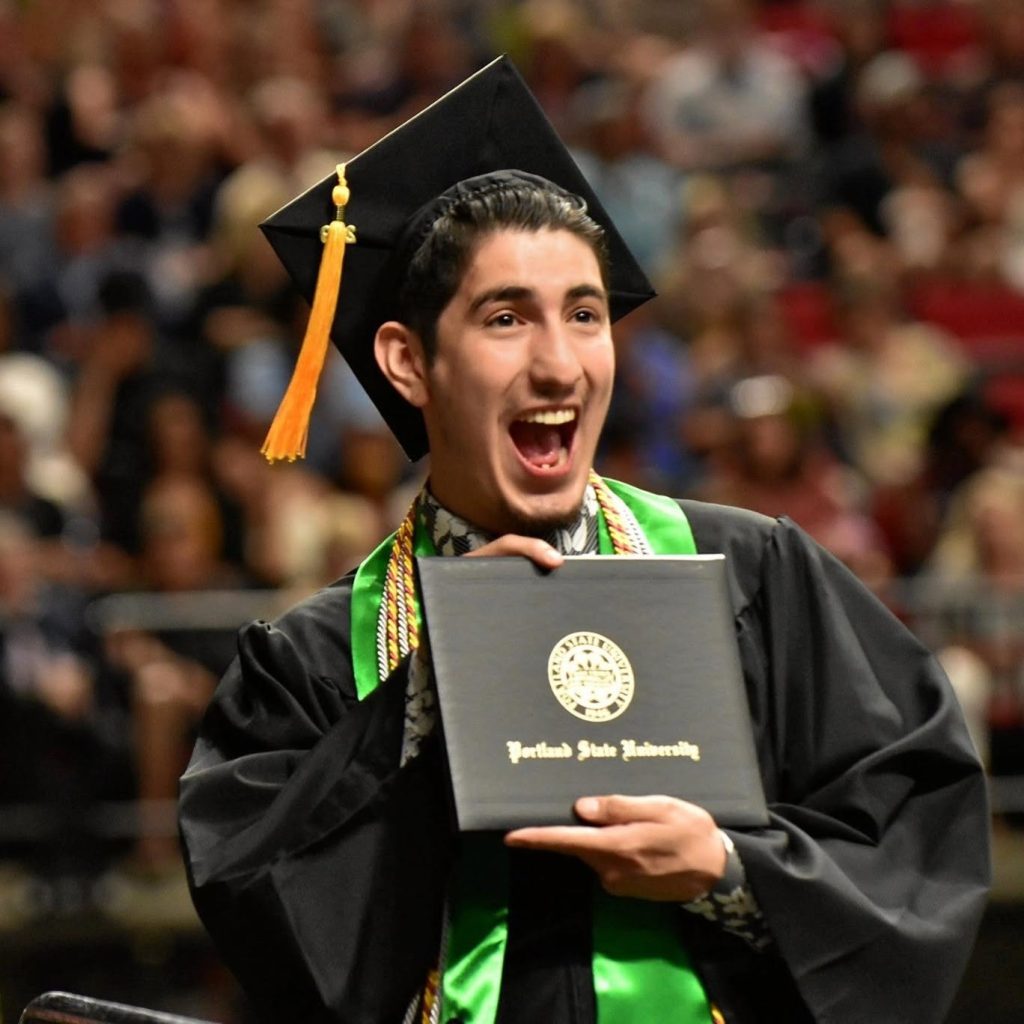
I moved to Portland, where I completed a Bachelor of Science in Conflict Resolution and the Ronald E. McNair Post-Baccalaureate Achievement Program. My capstone was a practical conflict assessment of a real campus controversy that not only garnered university and local media attention, but also contributed to a national wave of similar events concerning free speech.
Walking the stage, I wore a special McNair tassel: gold symbolizes the polished, the scholar, the refined; maroon for the struggle, the resistance, the need to serve the vulnerable—the very community from which I come.
Conflict resolution was no longer simply something I believed in. It had become the work I intended to dedicate my life to.
Building Something that Didn’t Exist
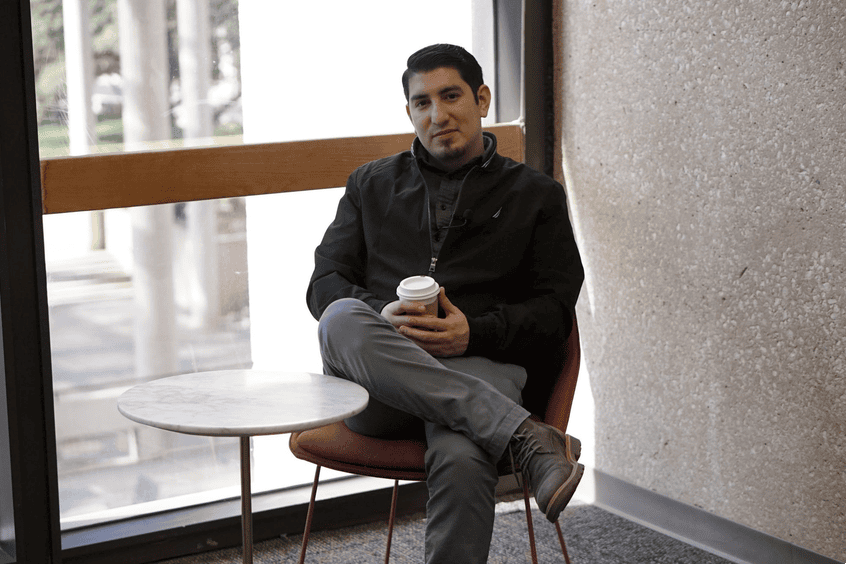
After graduating, I moved back to San Antonio, reconnecting with family and refamiliarizing myself with my hometown. I started a dual career path, working traditional jobs while kindling a small flame that would one day become Mosaic Collaborative Consulting.
There was no blueprint. No roadmap for starting a business, of course, but more specifically, no crash course on making a career out of conflict resolution that doesn’t wholly revolve around law and the courts. As described in the Voyage San Antonio, it was tremendously difficult and tremendously rewarding. I wouldn’t have it any other way.
Despite feeling at times “alone in the wilderness,” I had the quiet courage of my convictions.
I sensed the power of thinking and working across disciplines, producing holistic impact, more efficiently.
I suspected many problems could be solved rather simply, if only people knew they didn’t have to default to an adversarial legal system that can make win-win outcomes much harder, and sometimes impossible.
I witnessed the limbo created by conflict before attorneys and courts, and later realized that was a window of opportunity.
Driven by my beliefs, I started simply: one client at a time, small wins led to bigger projects.
Realizing I didn’t have to be the best to offer value, I focused on finding who needed the level of value I could offer while developing myself and surrounding myself with those who complemented me.
Over the years, Mosaic gradually expanded from a single consulting practice into an interdisciplinary organization supporting businesses, nonprofits, housing providers, government agencies, and community organizations.
Every engagement became another opportunity to test ideas, improve systems, and refine how conflict could become a catalyst for organizational and community resilience and innovation, rather than failure and deterioration.
“Relationships and communities are organic and living: we either nurture and grow them or allow them to wither and fade,” I wrote, as I began carving out my professional identity.
Learning From Leaders Across the Country
As Mosaic grew, so did opportunities to learn from some of the most respected professionals in dispute resolution.
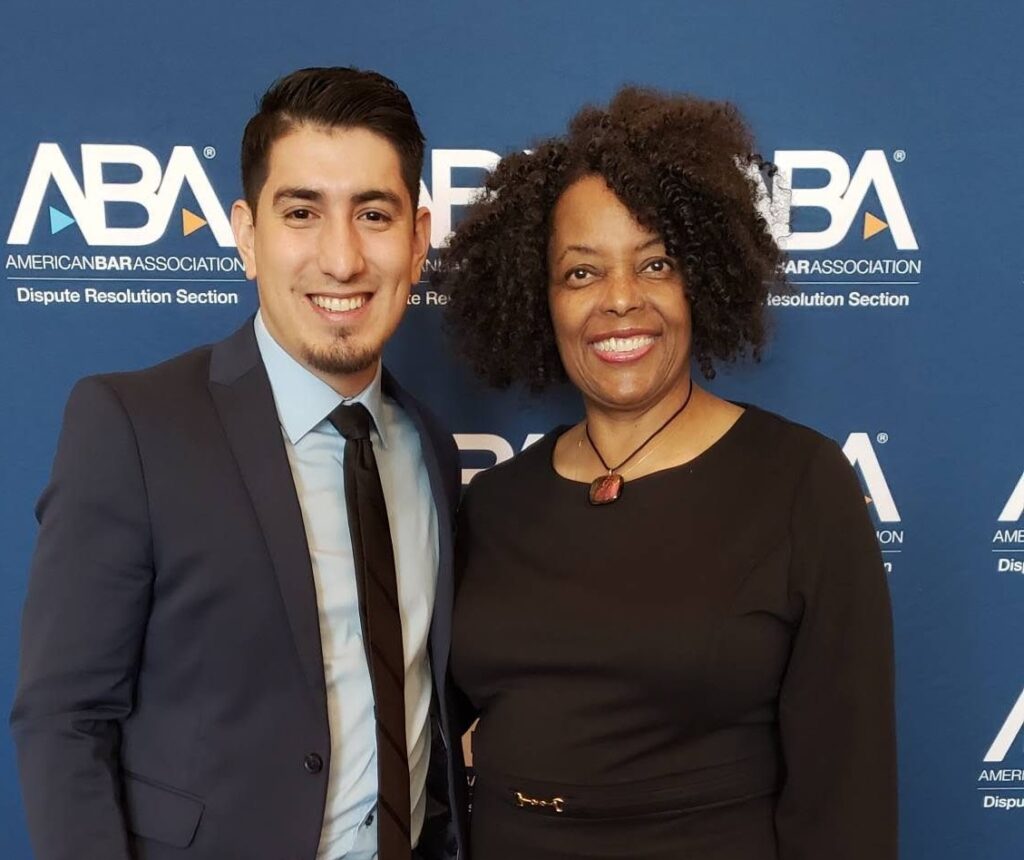
Serving in leadership roles within the American Bar Association introduced me to practitioners working at the highest levels of mediation, ombuds, consensus building, and community conflict resolution.
One presentation, in particular, planted a very important seed, only I didn’t know it at the time.
While working as a fellow with the ABA Public Disputes & Consensus Building Committee, we welcomed Andrew Thomas to discuss his work as a Florida community leader who partnered with the Community Relations Service (CRS) following the death of Trayvon Martin.
That scale of community conflict resolution put CRS on the map for me. The agency wasn’t simply resolving disputes; it was helping entire communities navigate some of the nation’s most difficult conversations, and building capacity leading up to those critical moments, with infrastructure and effects intended to last well after CRS’ time in the community.
The following year I attended a “come work with us” webinar hosted by CRS encouraging prospects to apply. And as soon as applications opened, I did. In August of 2024, I received the offer letter… and literally jumped with ecstatic joy.
At that moment I knew those same conversations would become part of my own professional journey.
San Francisco Changed Everything
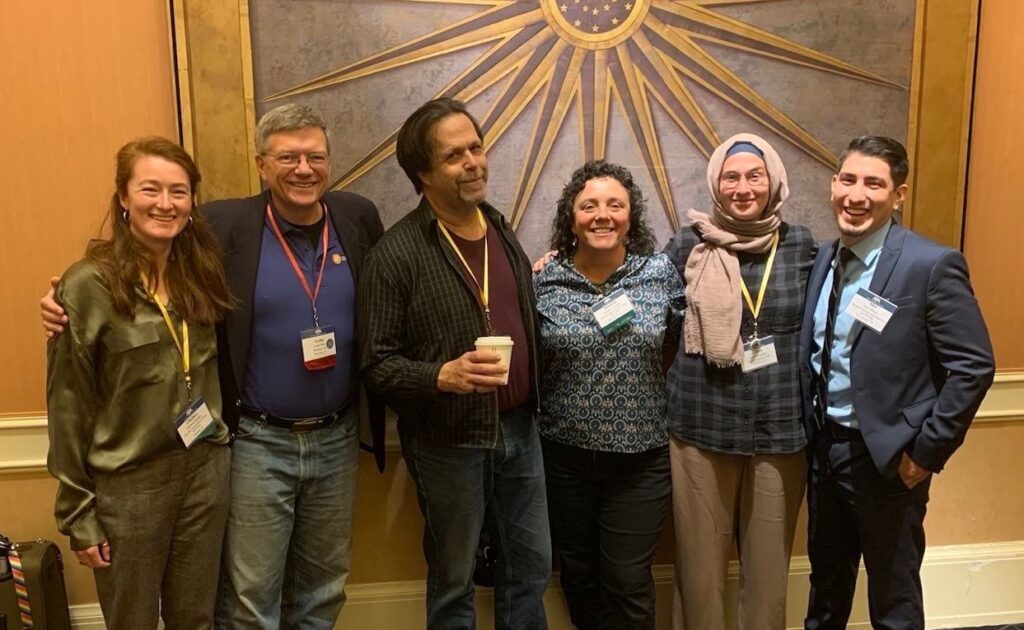
As much as the ABA put me in the right place at the right time, my story wouldn’t be complete without another very transformative chapter: San Francisco.
And as fate would have it, then-Director of Alternative Dispute Resolution Roger Moss was introduced to Mosaic through the same ABA committee at an event on how ADR can address affordable housing disputes. That 2023 introduction led to the Bar Association of San Francisco recruiting Mosaic consultants to help expand its nationally recognized Conflict Intervention Service.
Over the course of that engagement, Sadie Cort and I responded to more than 850 housing-related conflicts while helping strengthen operations, modernize systems, train staff, and increase organizational capacity.
It wasn’t simply another consulting project; it was an experiential learning in what the ABA would embrace as best practice the very next year.
The experience confirmed several things I was already coming to realize:
- Early dispute resolution works, and CIS proved it across thousands of cases.
- Systems matter, and adversarial versus collaborative makes a tangible difference.
- Relationships matter; making the relationship the first focus in conflict can stop a lawsuit.
- Housing stability isn’t merely a legal issue; it’s a human one with an outsized impact.
Many of the ideas that would eventually evolve into HousingShield’s pre-filing early dispute resolution framework were shaped during that engagement.
It also demonstrated that Mosaic’s approach could operate successfully within complex, multidisciplinary environments serving hundreds of community members.
That experience would later become an important part of my application to the Department of Justice.
Why the Community Relations Service Matters
The Community Relations Service occupies a unique place within the federal government.
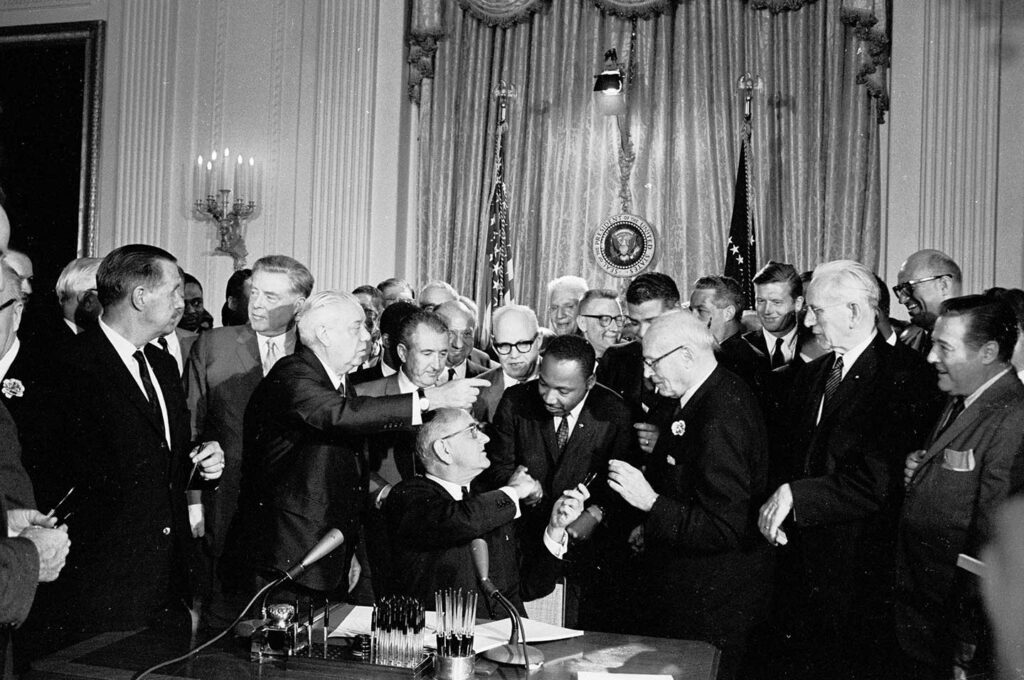
Created by Title X of the Civil Rights Act of 1964, CRS was established to help communities prevent and resolve conflicts arising from race, color, national origin, religion, gender, disability, sexual orientation, alongside serving other congressional mandates to restore and protect peaceful relations.
It was a perfectly sensible response to the widespread group conflict of the 1960s. Operating as neutrals, CRS was able to de-escalate situations and avoid unnecessary combativeness, like when it used shuttle diplomacy to go between a Selma, Alabama police department and civil rights leaders planning to pass through following “Bloody Sunday.” Law enforcement was concerned about the potential presence of weapons and therefore planned a mandatory search; civil rights leaders saw this as a violation of their rights and would refuse based on principle.
Neither side got what they wanted, until CRS stepped in. The solution was simple in theory, difficult to actualize, and possible only with an impartial third party: a checkpoint a few miles outside of town where possessions could be checked and confirmed safe, satisfying law enforcement, while protestors were satisfied with not being forced to deal directly with the town officials.
The same practical negotiation, mediation, and facilitation could happen for a wide variety of disputes, no matter the topic of disagreement or the nature of the dispute, showing that fair process is timeless.
Over the last 60+ years, its mandates have been expanded several times, enabling CRS to operate preventatively and reactively following incidents for a wider range of jurisdictional issues and more community impact.
Unlike any other agency within the Department of Justice, CRS does not investigate (or even produce corroborating evidence), litigate, or serve as law enforcement.
All of its services are voluntary, operating exclusively on the will of the people rather than the compelling force of law. Unfortunately, sometimes communities learn the value of these principles by their painful absence, as in the deaths of Rene Good and Alex Pretti which I’ve written about before.
Why voluntary? Because, as was discovered during the civil rights era, voluntary compliance is always preferable (and more efficient) than compliance by force. But more subtly, dialogue-based approaches can reach the intangible but all-too-real issues of moral injury and public controversy beyond the reach of the courts. And they can produce the durable agreements that actually hold up over time, across the countless community members such agreements must work for.
CRS serves as a confidential, impartial third party helping communities engage in difficult conversations, reduce tensions, and develop locally-owned solutions. Pillars like these are why CRS and the National Association For Community Mediation (NAFCM) have had a longstanding positive relationship.
Over six decades, CRS has quietly supported communities during some of the nation’s most significant moments of conflict: from school integration efforts to responses following high-profile incidents involving police-community relations, hate crimes, and civil unrest.
Over it’s rich history, it’s often been called “America’s Peacemaker.”
So when the ABA Public Disputes & Consensus Building Committee put CRS in front of me, it felt like discovering an organization whose mission landed right on the nose. It brought me back to my time in Oregon watching the 2015-16 civil unrest unfold, which ignited my career. At that point, I had spent practically all of my life studying dialogue, mediation, and systems change. Joining CRS became the natural next step in my ten-year path.
Needless to say, it was a tremendous honor to have served, and I’m deeply grateful for the praise I received from my Regional Director, RD Salamanca, who’s widely respected across the agency and the many communities she served.

The Road to Mediation:
Establishing the Conditions for Dialogue to Work
Most mediators receive structured cases.
Someone else performs intake. Someone schedules the session. The parties agree to participate (often thanks to attorneys who have persuaded their clients, or judges who mandate it).
The mediator arrives after the groundwork (the most chaotic, unclear, disorganized aspects) have already been completed.
Community conflict resolution is different.
Nothing is structured. No one agrees on process. No shared understanding of the issues. Almost always, there isn’t even agreement about who should be in the room. The mere prospect of two influential figures in dialogue might damage each person’s standing, and damage their rapport with their respective coalitions.
New Conciliator Training introduced me to an entirely different layer of community conflict resolution.
- Conflict assessment across five jurisdictional mandates
- Stakeholder group mapping, filtering for criminal and violent activity
- Power and interest analysis across networks
- Convening (without the axe of a court mandate or threatened litigation)
- Strategic outreach using concentric circles
- Action planning among groups (who may not even want to share space)
- Relationship building, proactively and post-incident
- Barrier identification and anticipation
- Risk assessment and response
- Consensus building
- Dispute resolution capacity building
Rather than simply facilitating conversations, conciliators learn to design the conditions that make productive conversations possible. Negotiating the process itself is often the next step after preliminary dialogue is established, and conciliators are stewards of those aspects, as well.
Then-agency director Justin Lock described this work using language that immediately resonated with me.
Given my background in organizational systems, he pointed out that I was selected for my capacity as a systems thinker and an architect of structures for productive conflict, not simply the conversations occurring within the structures.
Stronger Together:
The Work Continues, Now With the Gifts of CRS
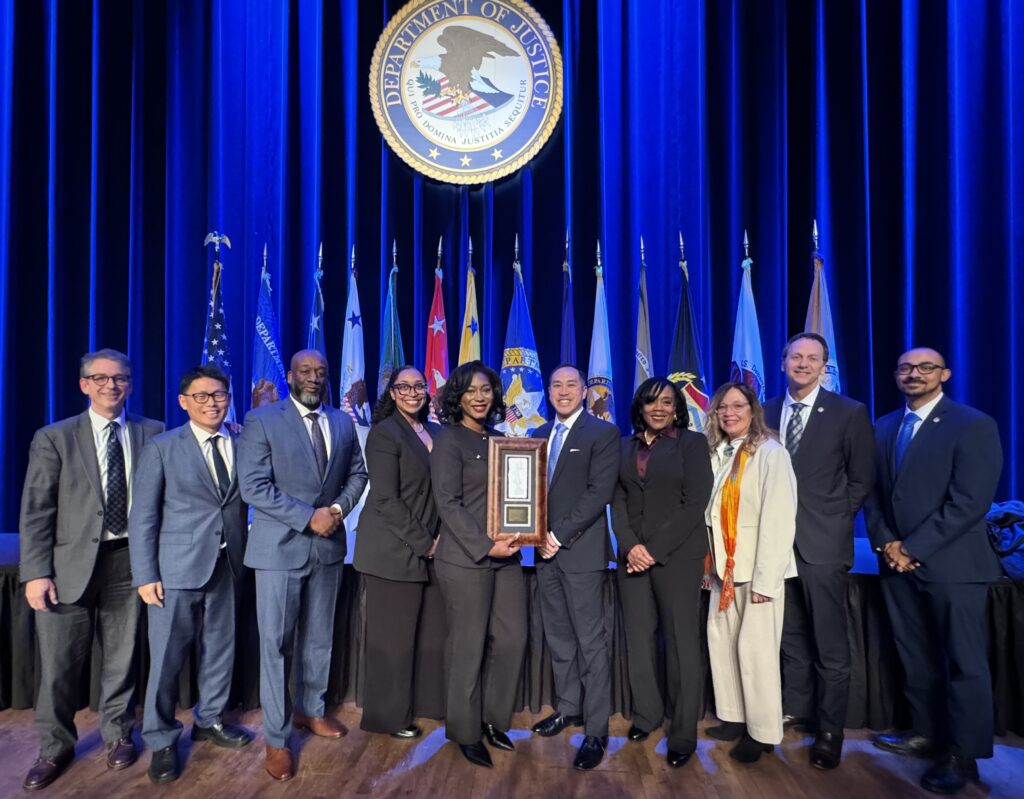
I leaned into that perspective, and my training with CRS immensely expanded my abilities with the help of my regional team, all of whom I was honored to work with: RD Rosa Salamanca, and fellow Conciliators Clay Fong, Michelle Linksi, Isaac Jasper, and Kelly Hams Pearson, three of whom were awarded for their work preventing violence surrounding the 2024 Republican and Democratic National Conventions and associated protests.
Then there’s the broader CRS agency, full of incredible and inspiring professionals in their own right, whether during or before my time:
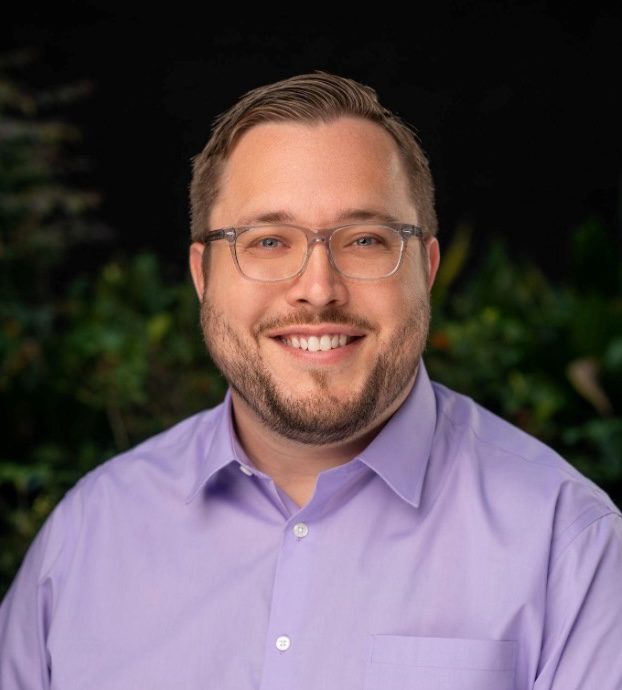
CRS conciliator and Talent & Professional Development specialist who helped me understand intercultural conflict resolution, and who received the U.S. Attorney General’s Award for Outstanding Contributions to Community Partnerships for Public Safety. His keen perceptiveness, emotional and intellectual insight, and firm dedication to ethics makes him as much an asset in individual conflicts as in designing dispute systems—making him an excellent addition to Mosaic’s panel.
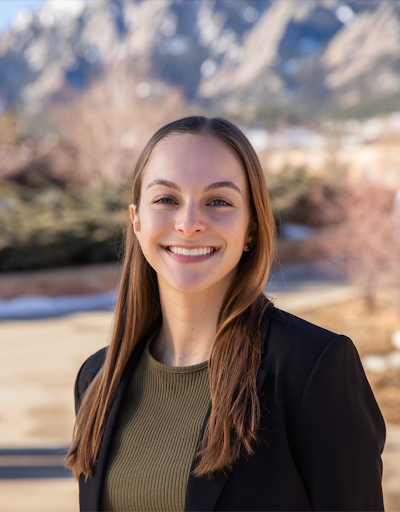
CRS conciliator, who worked with communities across the West Coast to imagine lasting solutions in the image of the community itself, possessing a masterful blend of social work practice and dispute resolution expertise fitting perfectly in her approachable, relaxing demeanor. Mosaic is lucky to have her.
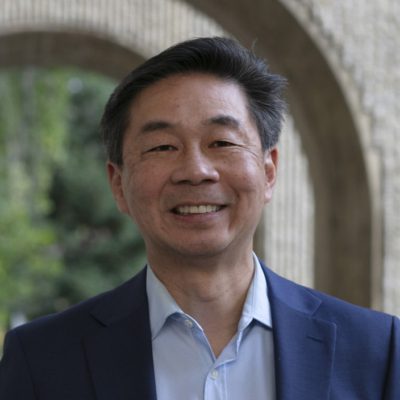
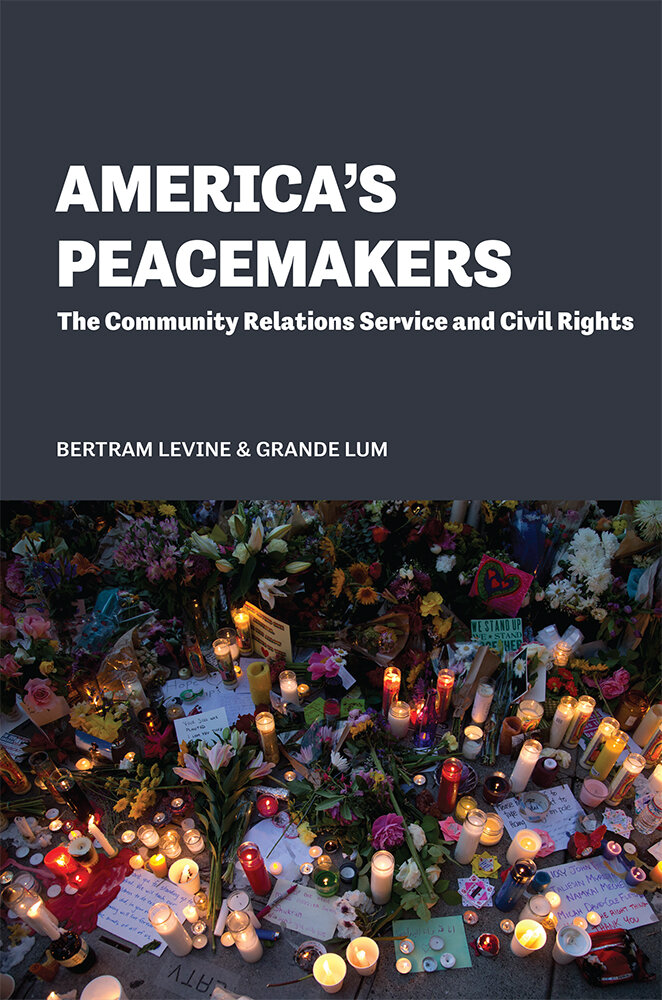
former director of CRS from 2012 to 2016 and author of the second edition of America’s Peacemakers which documents the legacy of the agency as a force for restoring and protecting peaceful relations among groups across the nation for decades, now senior lecturer in law and Director of Stanford’s Gould Negotiation and Mediation Program.

Acting Deputy Director for CRS during my time (also given an Attorney General’s award) and former Director of Public Affairs & Chief Spokesperson for the DOJ and decades of leadership across sectors. I was honored to continue working with Bert, helping him think through and establish a blueprint for his private cross-sector consulting practice, Crosscurrent Strategies, after we left CRS.
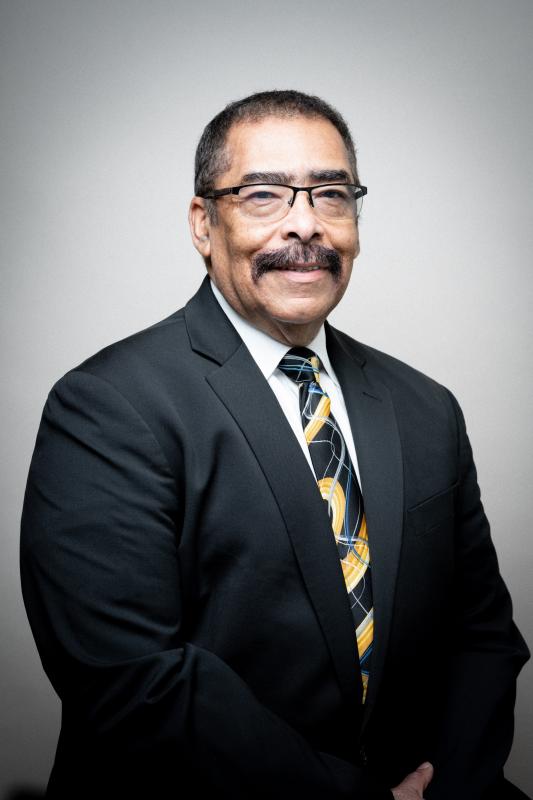
Regional Director of the Midwest Region of CRS with over 20 years of experience at the agency, including 30+ mediation agreements on group-level community conflicts, interregional deployments involving issues that garnered national attention, and had a rich career working with faith-based institutions, at-risk youth and more before joining CRS.
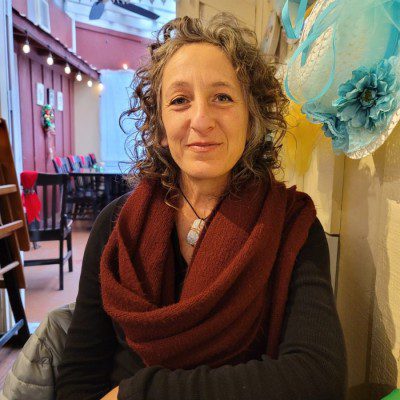
CRS Conciliator who brought a capacity-building and restorative lens to community conflict resolution work as a former educator and civil rights attorney who wanted more than punitive justice when harm had been done, and who approaches her work with any single individual as she does with entire communities in conflict: humility, partnership, and a sense of honor in helping to steward others to prosperity.
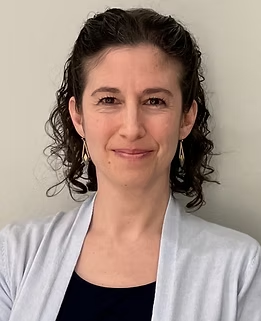
CRS Conciliator who specialized in police-community relations, helping police understand practices that help (and hinder) the community trust so critical to engagement and ultimately public safety (which requires policy and community partnership). I’m privileged to continue working with her, both on starting her consulting practice and on making HousingShield an asset for public safety that prevents unnecessary escalation and violence.
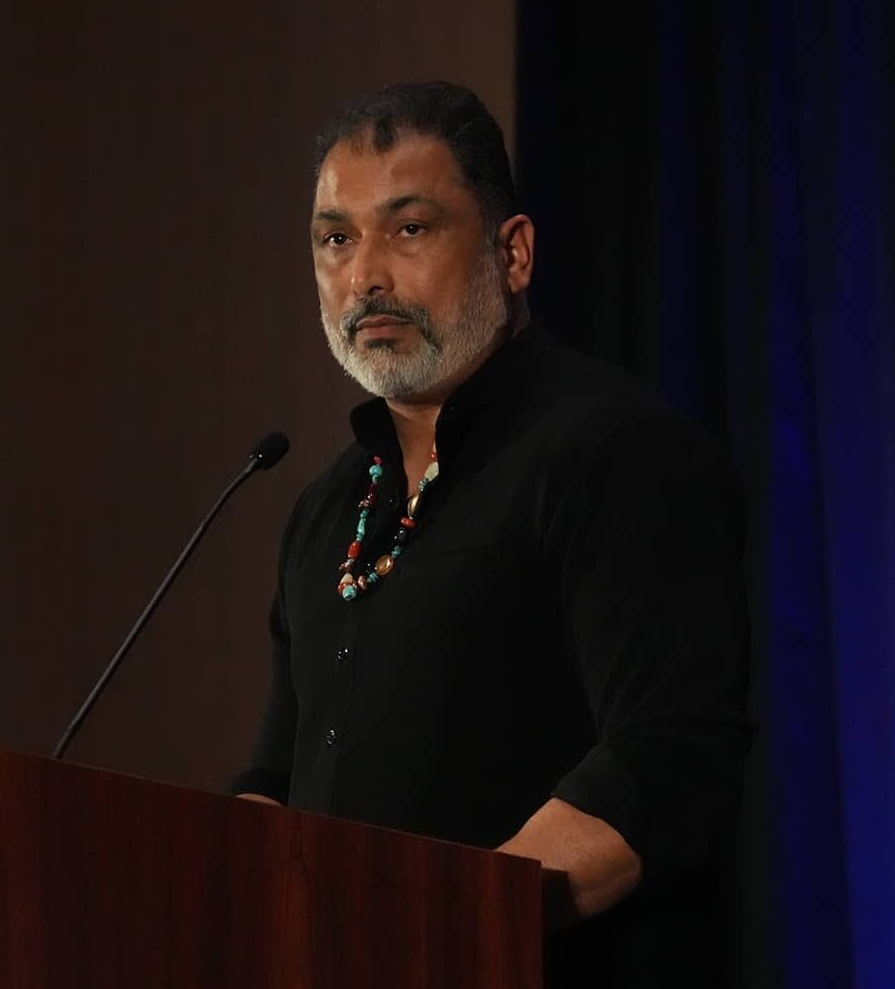
CRS Conciliator who brought deep expertise in clinical psychology, trauma, and law enforcement into his work, all with a humble and unassuming demeanor that made him warm and approachable. His story of enduring a faith-based hate crime in Wisconsin that took his father and shocked the community, and the extraordinary determination to continue working towards peace and justice not in spite but because of tragedy… just scratches the surface of what Pardeep offers.
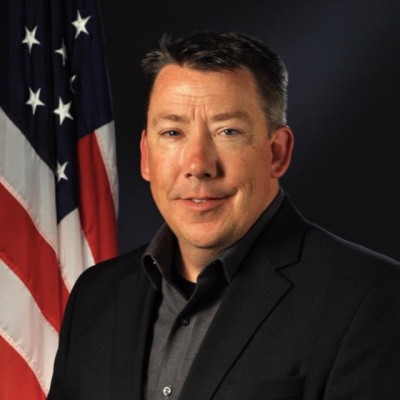
CRS Conciliator who served as a Chief of Police for 20+ years before directing that experience, along with formal studies in public safety leadership and working with vulnerable populations towards community-built solutions to their own conflicts, solutions that communities could sustain themselves because they were homegrown rather than imposed from templates. Karl helped me better understand the position and experiences of law enforcement to better partner with them.
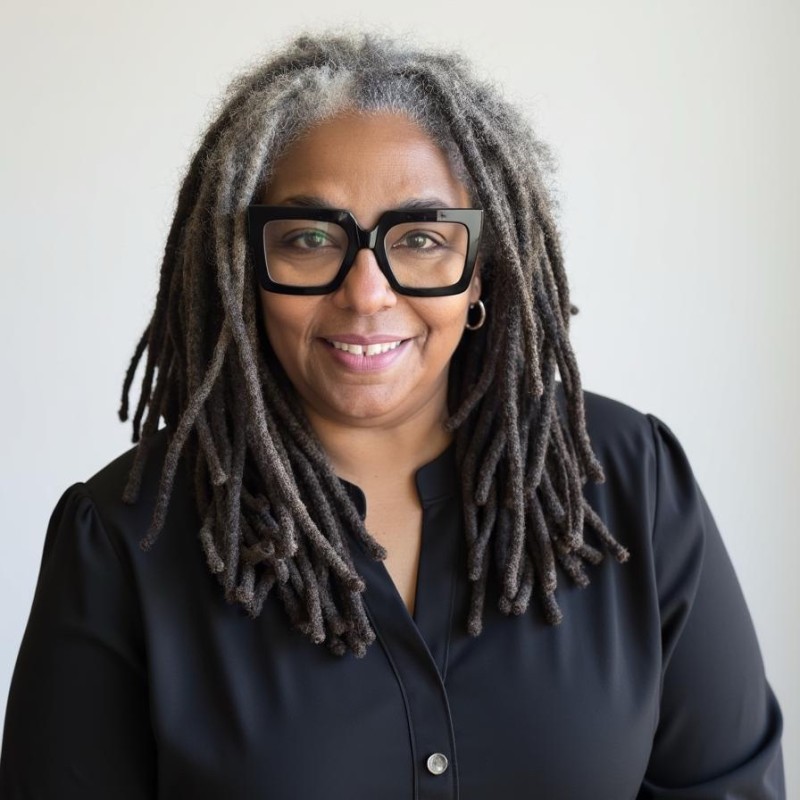
CRS Conciliator who brings 20+ years of experience as a consultant, helping small and rural congregations, faith-based organizations, nonprofits, and emerging businesses with capacity-building, coaching, and conflict resolution services across the country, and years of experience working on the board of directors for the National Association for Community Mediation, making all of this available to communities in need of CRS services.
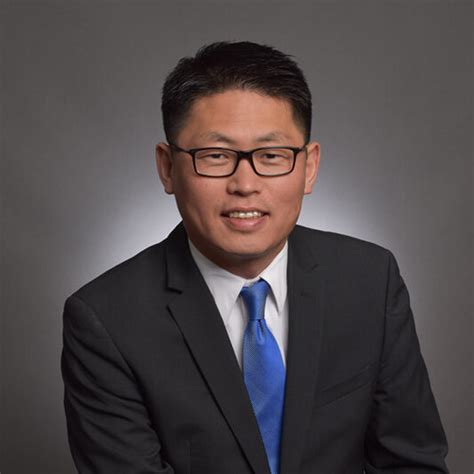
former CRS director who steered the agency through turbulence leading up to and during the shuttering of CRS with compassion, grace, and firm leadership, possessing a background in theology, law, and conflict resolution, making him a tremendous asset to not only CRS, but all of the communities it served under his leadership, no matter the nature of the issue.
And many more outstanding professionals I had the privilege of meeting, working with and learning from—directly and through the passing of knowledge through the agency’s long line of dedicated civil servants, many of whom had decades of experience at the agency.
Although my time with CRS was ultimately cut far too short given federal funding cuts and the eventual shuttering of the agency (amid legal challenges arguing that the closure violated congressional mandates), my time amounted to an intensive sabbatical focused on professional development. That included formal New Conciliator Training, informal mentorship from the incredible colleagues mentioned above, and case-driven experiential learning primarily supported by Clay Fong and RD Rosa Salamanca who made excellent teachers.
The time I spent in CRS fundamentally expanded how I think about and approach mediation, organizational consulting, and community resilience. Not different, but rather more deeply rooted, and more professionally adept.
I remain as committed now to dialogue and the fruits it affords us—
… as I was as a child discovering philosophy;
… as I was as a young man in Astoria, pursuing education on my own terms through Philosofarian;
… as I was when I chose conflict resolution as both a field of study and a career;
… as I was when I began building Mosaic, joined the Department of Justice, and ultimately returned to community mediation and private practice after leaving CRS.
The face of the work changes. The work itself remains.
Supporting people’s ability to make good decisions under pressure. Creating the conditions in which we can act on our virtues rather than our vices. Seeing—and helping others see—the better angels in one another. That is how we act on them in ourselves and evoke them in others, manifesting them into reality.
That commitment remains as untouched as ever.
The work continues.
If your organization, community, or dispute could benefit from a more collaborative path forward, explore Mosaic’s dispute resolution and capacity-building work.
